Practical guides on managing properties from afar, documentation best practices, and tools that give you confidence from a distance.
Buying and managing property from hundreds of miles away is now the norm — but the risks of flying blind are real. Here's why having a trusted local presence is non-negotiable.
A property condition rating only means something when it's backed by photos and video you can check yourself.
What a property walkthrough video shows that photos can't, when photos alone are enough, and why Qprop doesn't do live video calls.
What an out-of-state landlord's rental turnover checklist needs to include — and how to get it documented within 24 hours.
An occupied property inspection follows the same documentation standard as a vacant one — but notice, access, and tenant respect have to come first.
A plain breakdown of how a vacant property check service works, how often to schedule one, and what it costs per visit.
Here's exactly what Qprop does when a visit can't happen as booked — re-dispatch, credit, and how Order Protection works.
What proves a property visit actually happened — and how timestamped photos and video close the no-show gap for out-of-state investors.
Qprop never edits condition photos — here's why real property photos are the only proof an out-of-state investor can actually use.
The angles, staging tricks, and missing shots wholesalers use to hide property damage — and how to verify wholesaler photos before you buy.
How out-of-state investors get a documented property inspection completed within 24 hours, without flying in.
A straight answer on property walkthrough cost in 2026 — four flat-price plans from $75 to $150, what each covers, and what changes the price.
A breakdown of exactly what's inside a real Qprop property condition report — photos, video, price, and timeline.
A field visit confirms whether a property is actually vacant, tenant-occupied, or squatted — something no listing photo or seller claim can prove.
Buying remotely works when you ask the right questions before you commit. Here are the five that matter most, and why the listing photos won't answer any of them.
It's a phrase that gets used a lot and defined rarely. Here's what it actually means for someone investing in a property they can't visit.
The two get used interchangeably, but they solve different problems. Knowing which one you need — and when you need both — saves you time and money.
"I'll just fly out and check it myself" sounds like the free option. Once you add up the real cost, it rarely is.
Asking a realtor to "just swing by" feels free. It rarely is, and it's almost never built for what a remote investor actually needs. Here's the real comparison.
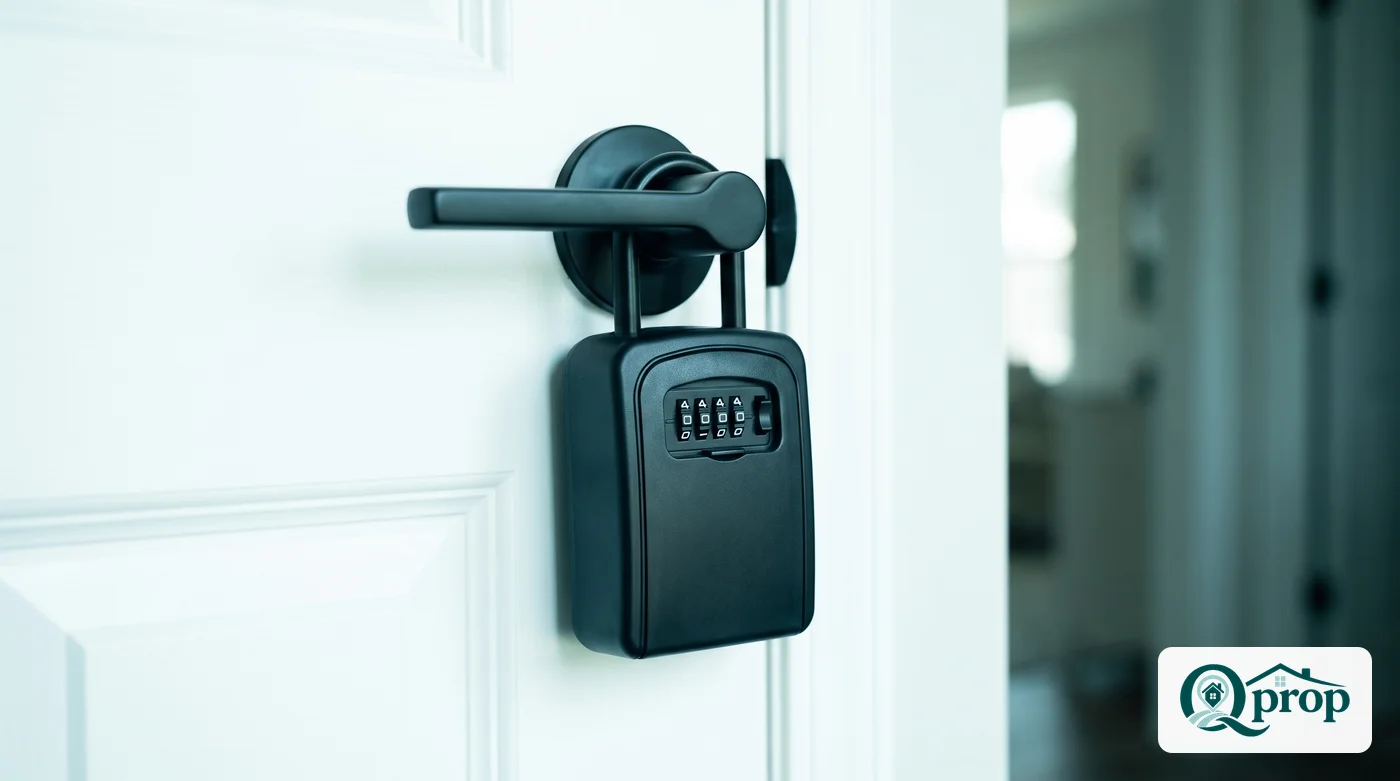
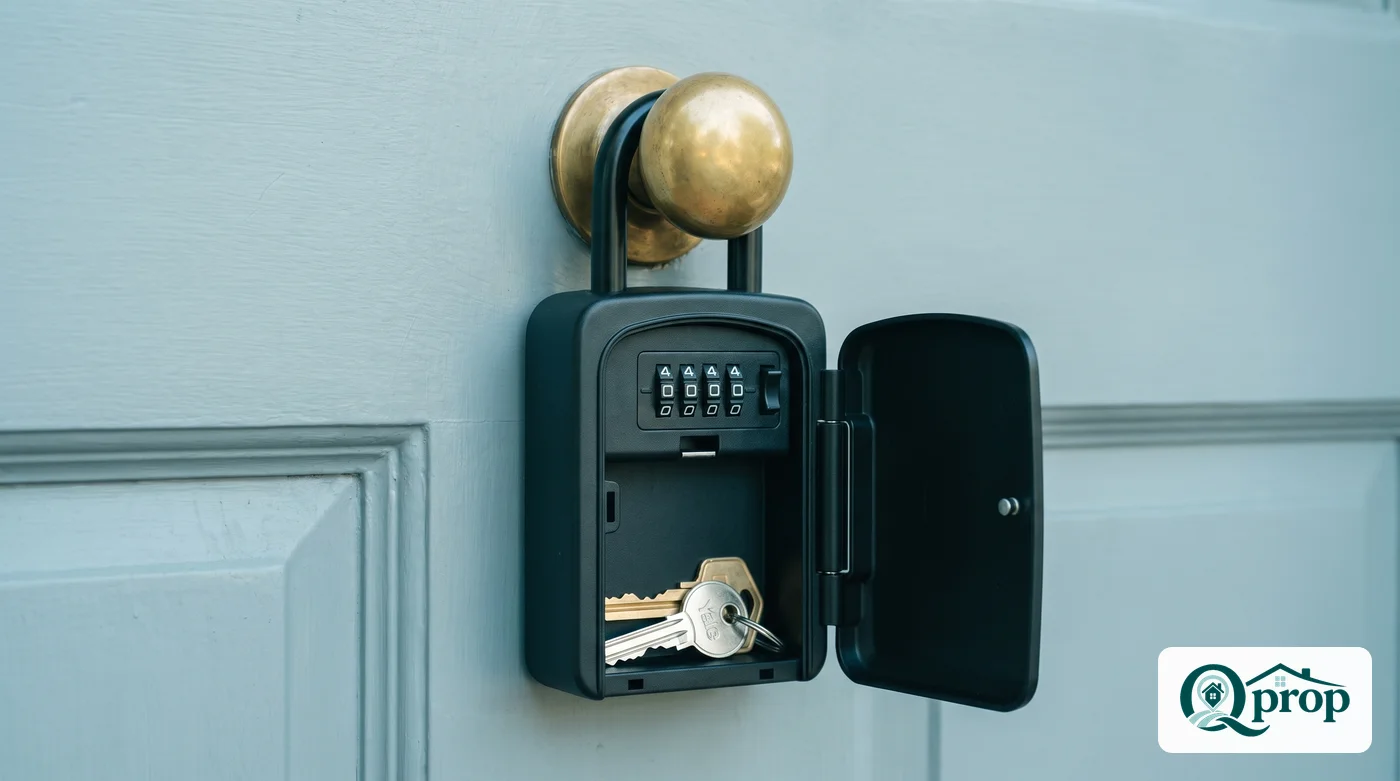
You don't need to be on-site to control who gets in the door. Here's exactly how a lockbox gets installed, coded, and confirmed on a property you've never set foot in.
The 11pm tenant text is a specific kind of stress when you're a thousand miles away. Here's who to actually call, and why it isn't your cousin who lives twenty minutes from the place.
Yes — and it's not a favor from a neighbor or a gamble on a stranger from a classifieds post. Here's what an on-demand field agent actually is and when to use one.
Tracking a renovation from afar is one of the hardest parts of remote investing. The right documentation process protects your budget, your timeline, and your sanity.
A property offer is a commitment — and without the right pre-offer diligence, you're guessing. Here's a practical checklist every remote investor should run before signing anything.
A lockbox isn't just a key holder — it's the foundation of your remote access system. Here's how to set one up properly and avoid the mistakes that lock out your contractors.
Filling a vacancy when you live in a different state used to mean flying in or relying on an expensive property manager. There's a better way.